Original: $120.00
-65%$120.00
$42.00The Story
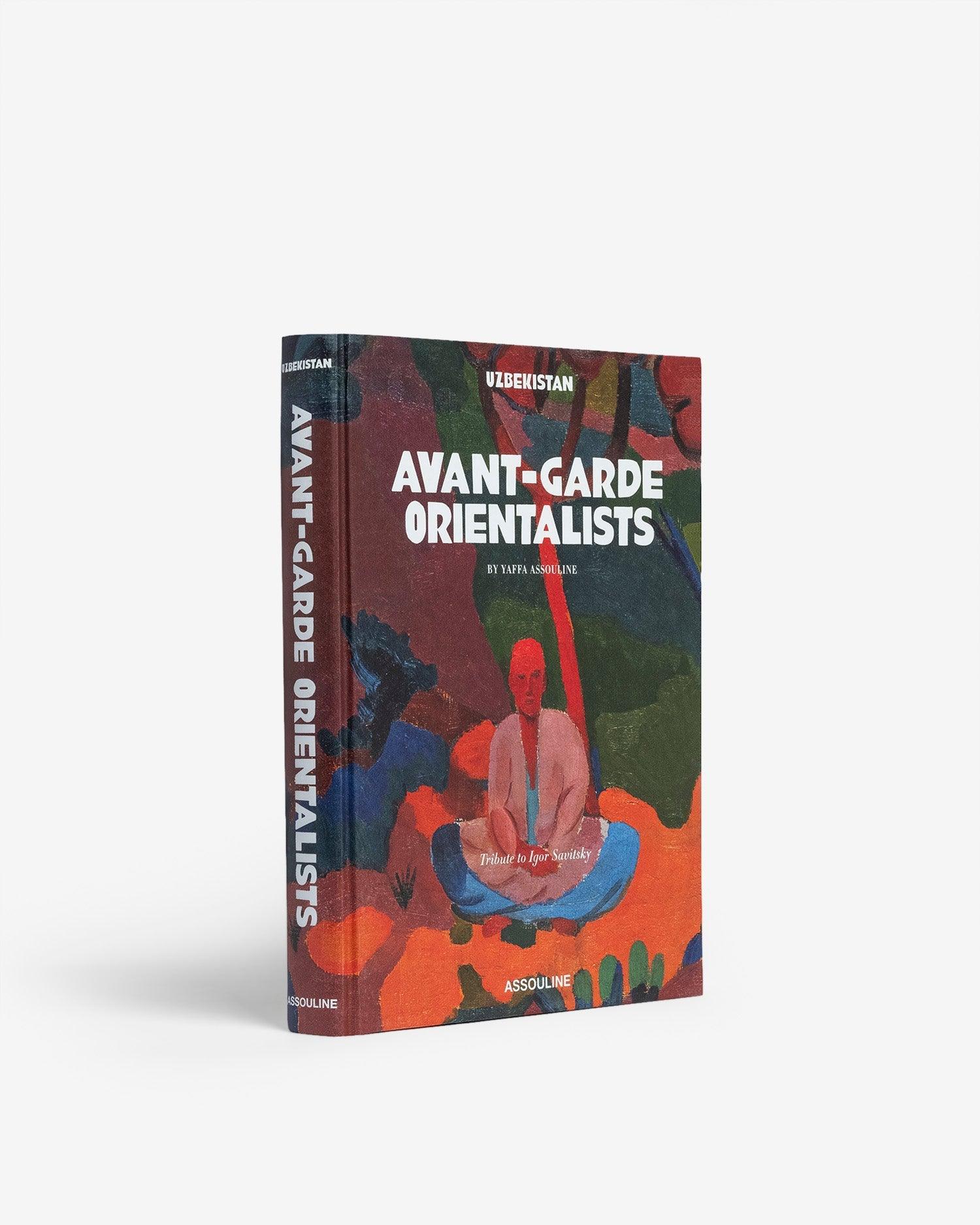
Art Collector, Igor Vitalyevich Savitsky dedicated his life to saving one of the world’s most important works of Russian avant-garde art, which would have been otherwise destined to disappear forever. His efforts allowed artists, obscured by Stalin’s regime, to be rediscovered. Today, the Karakalpakstan State Museum of Art named after I.V. Savitsky in Nukus, and located in the middle of a vast desert on the northwest end of Uzbekistan-once called “the Louvre of the Steppes-now holds one of the largest collections of this art, second only to the Russian State Museum in St. Petersburg, Russia.
This volume shows a particularly unique part of the museum’s collection, known as Avant-Garde Orientalist art: works made between 1910 – 1930 from artists who have traveled or moved to Uzbekistan, discovering the region’s culture, vibrant colors, unique light, landscapes and architecture. Rather than simply being seen as instruments of state propaganda, they maintained their integrity as real artists through their captivating work.
Details & Craftsmanship
Every detail has been carefully considered to bring you the perfect product.
Details & Craftsmanship
Every detail has been carefully considered to bring you the perfect product.
Description
Art Collector, Igor Vitalyevich Savitsky dedicated his life to saving one of the world’s most important works of Russian avant-garde art, which would have been otherwise destined to disappear forever. His efforts allowed artists, obscured by Stalin’s regime, to be rediscovered. Today, the Karakalpakstan State Museum of Art named after I.V. Savitsky in Nukus, and located in the middle of a vast desert on the northwest end of Uzbekistan-once called “the Louvre of the Steppes-now holds one of the largest collections of this art, second only to the Russian State Museum in St. Petersburg, Russia.
This volume shows a particularly unique part of the museum’s collection, known as Avant-Garde Orientalist art: works made between 1910 – 1930 from artists who have traveled or moved to Uzbekistan, discovering the region’s culture, vibrant colors, unique light, landscapes and architecture. Rather than simply being seen as instruments of state propaganda, they maintained their integrity as real artists through their captivating work.